
Your Health, Our Priority
Two Approaches, One Goal
While Osteopathy and Athletic Therapy approach the body from different perspectives, both are individualized and focused on helping you move well, feel well and live well.
Osteopathic Manual Practitioners and Certified Athletic Therapists do not diagnose disease or practise medicine. If you have concerns about a medical condition or disease, please consult your physician or other appropriate healthcare provider.
Osteopathic Manual Therapy
Osteopathic Manual Therapy takes a whole-body approach to treatment. It considers not only the muscles, joints and spine, but also the connective tissues, viscera, brain, nervous system and other systems of the body and how they work together.
Treatment is gentle, hands-on and individualized. A thorough health history and assessment help identify areas of restriction or imbalance that may be contributing to pain, discomfort or changes in movement and function.
Rather than focusing only on where symptoms are felt, osteopathy looks at the body as a whole to better understand what may be causing the root cause.
Athletic Therapy
Athletic Therapy focuses on the prevention, assessment and rehabilitation of musculoskeletal injuries.
Using a sports medicine–based approach, Athletic Therapy can help with injuries resulting from sport, recreation, work or everyday activities. Treatment may include hands-on therapy, movement and mobility work, exercise and rehabilitation, with the goal of restoring function and helping you safely return to the activities you enjoy.


What Does Treatment Involve?
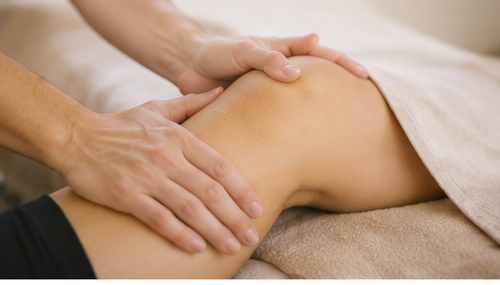
Every treatment is individualized. Osteopathic treatment may involve gentle joint mobilization, soft-tissue and myofascial techniques, visceral techniques, muscle energy techniques, craniosacral techniques, stretching, exercise prescription and other hands-on techniques intended to improve movement and reduce areas of restriction or tension.
Craniosacral techniques use a gentle, hands-on approach and may be incorporated into treatment to address areas of tension or restriction and support overall mobility and function.
The goal is not to focus on a symptom, but to understand how the body is working together as a whole to be able to determine the root cause.
What Can Osteopathy Help With?
People seek osteopathic treatment for many different reasons, including:
Muscle and joint pain or stiffness
Back, neck and shoulder discomfort
Headaches
Limited mobility
Sports and other injuries
Persistent or chronic pain
Post-concussion symptoms
Digestive or menstrual concerns
Pregnancy-related changes and discomfort
Stress, tension and nervous system regulation
Osteopathy can also be used proactively to support mobility, movement and physical performance.